Asia/Kolkata
Co-organising KCD Kochi 2026 · April 18

I make Kubernetes boring.

In the best possible way.

Senior DevOps & Platform Engineer · CNCF Ambassador · AWS Community Builder.
I build the platforms that let engineering teams ship without thinking about infrastructure.
CNCF Ambassador
AWS Community Builder
KCD Kochi 2026 Organiser
Ebin Babu is a Senior DevOps and Platform Engineer based in Trivandrum (Thiruvananthapuram), Kerala, India. He is a Cloud Native Computing Foundation (CNCF) Ambassador, an Amazon Web Services (AWS) Community Builder in the Containers category, and co-founder of DevOps Malayalam. He leads the Cloud Native Trivandrum (CNCG) chapter and is co-organising Kubernetes Community Day (KCD) Kochi 2026. He holds Certified Kubernetes Administrator (CKA), Certified Kubernetes Application Developer (CKAD), Kubernetes and Cloud Native Associate (KCNA), and Kubernetes and Cloud Native Security Associate (KCSA) certifications from the Linux Foundation.

Featured Experience

Deep dives into architecture, scale, and platform engineering.
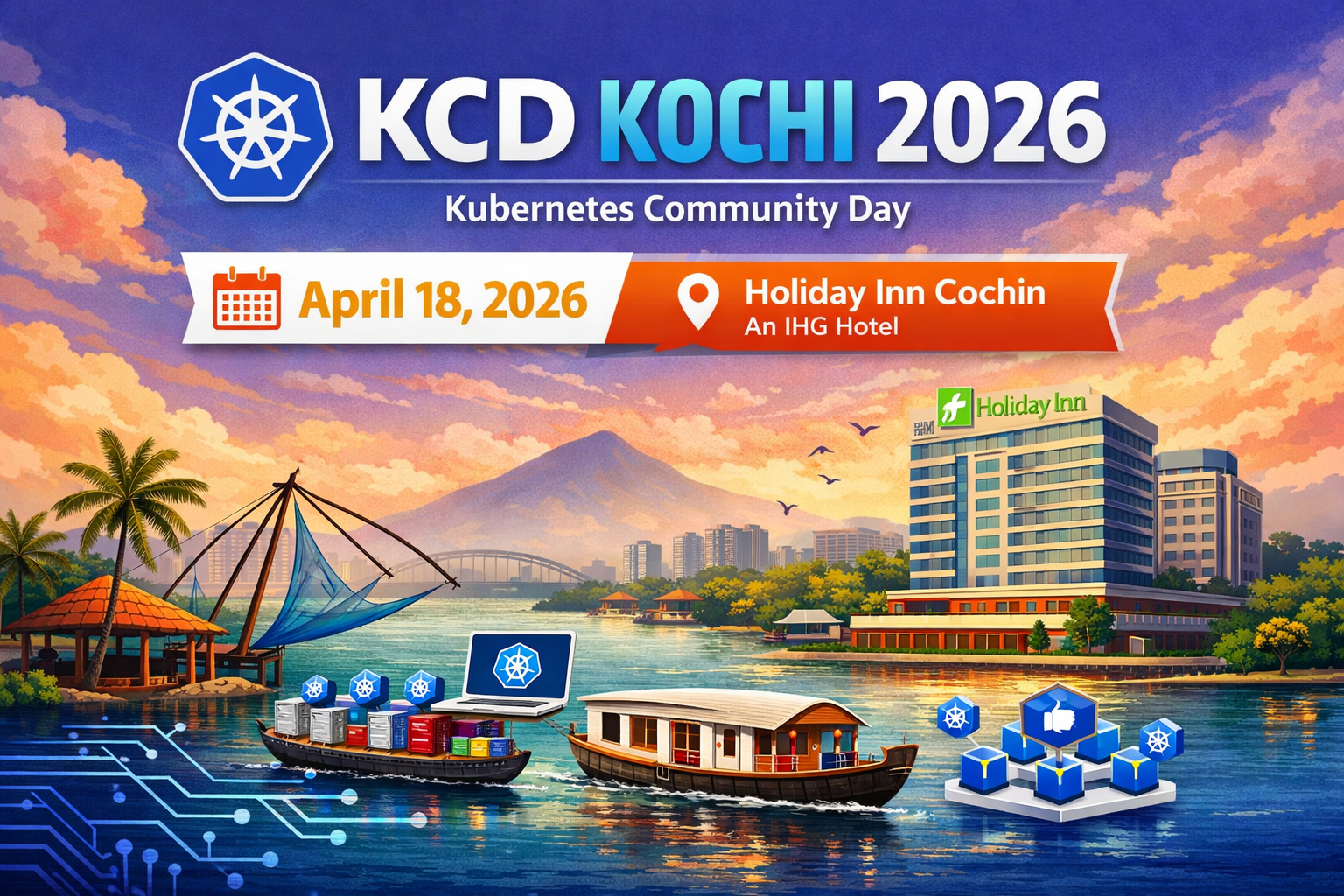
KCD Kochi 2026 - Kerala's First Official Kubernetes Community Day

KCD Kochi 2026 - Kerala's First Official Kubernetes Community Day

I'm co-organising KCD Kochi 2026 - an official CNCF-sanctioned Kubernetes Community Day on April 18, 2026 at Holiday Inn, Kochi. CFP is closed with 175 proposals from 136 speakers. Tickets are live.

Technical Portfolio

A collection of systems and tools I've built.
Building a Cloud-Native AI/ML Platform on AWS EKS with Kubernetes, GitOps, and FinOps

Building a Cloud-Native AI/ML Platform on AWS EKS with Kubernetes, GitOps, and FinOps

Architected a production AI/ML platform on AWS EKS serving 10+ data science teams at 99.9% availability, and delivered a 45% reduction in cloud infrastructure costs through FinOps practices.
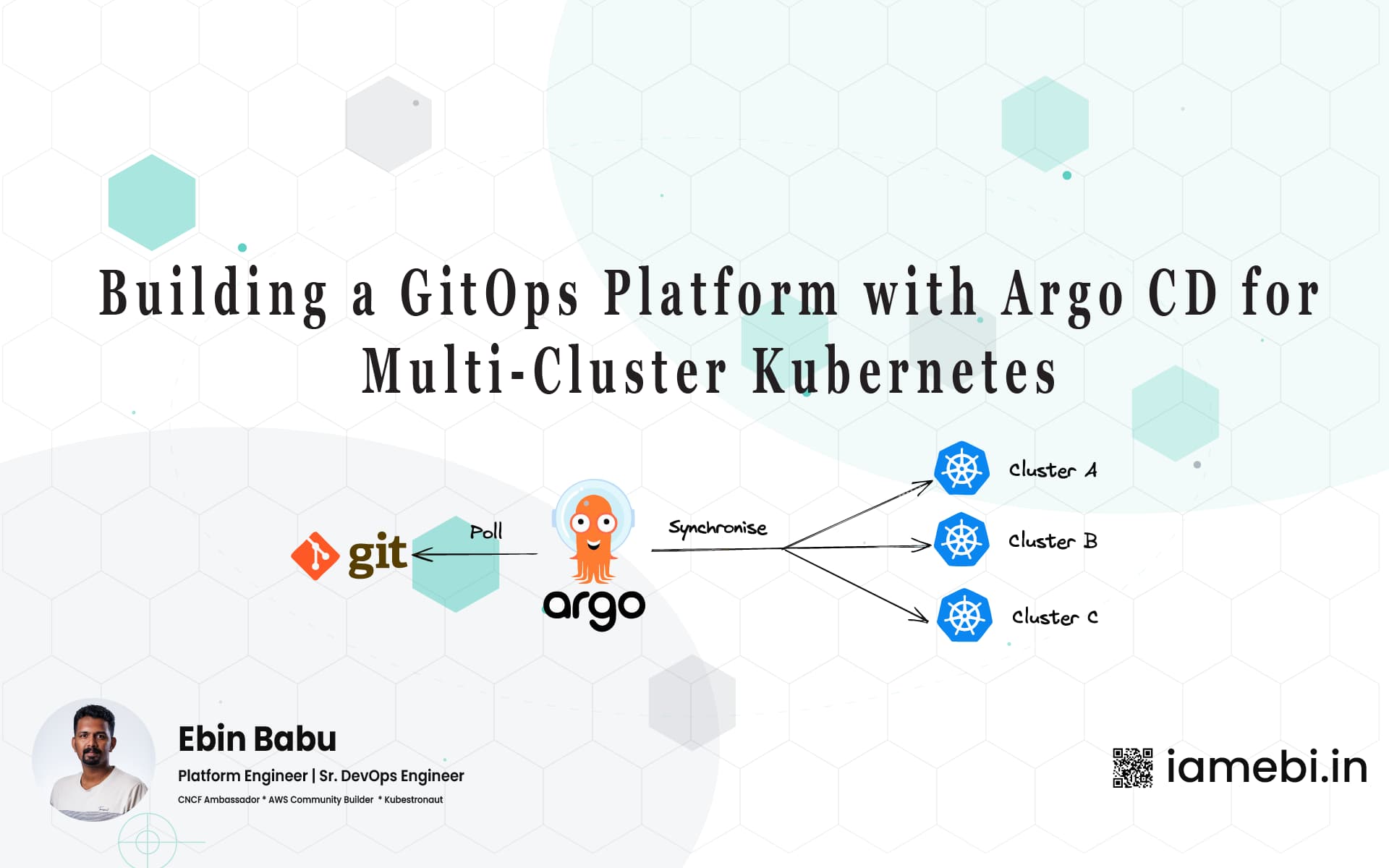
Building a GitOps Platform with Argo CD for Multi-Cluster Kubernetes

Building a GitOps Platform with Argo CD for Multi-Cluster Kubernetes

Designed and implemented a GitOps delivery platform using Argo CD across multiple Kubernetes clusters, reducing deployment errors by 80% and improving incident detection by 60%.